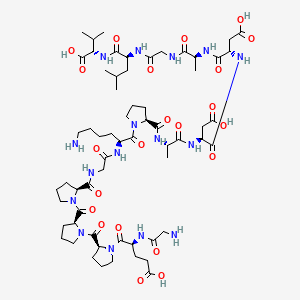
BPC-157, or Body Protection Compound-157, is a synthetic peptide sold directly to consumers in the United States without FDA approval, and it is one of the most searched compounds in the field. Here is what the accumulated record says, and where it stops.
Who is actually using it
A preprint curated from de-identified U.S. clinical notes characterized BPC-157 use from 2020 through 2026, identifying 1,536 patients whose notes mentioned the peptide, of whom 1,039 (67.6%) had documented use. Quarterly newly confirmed users rose 33-fold across that period, the male share of new users climbed from 57% in 2020 to 70% in 2026, and mean age fell from 55 to 49.
The user population skewed heavily White: 95.9% of the 972 users with recorded race, against 78% of the background care population. Family medicine, internal medicine, gastroenterology and orthopedic surgery were the specialties most often first documenting use.
Why patients said they were taking it
Reasons were documented for 644 patients and included pain (33% of all 1,039 users), gastrointestinal conditions including reflux, inflammatory bowel disease or gastritis (14%), prior injury (11%) and post-surgical healing (10%). Half of all users, 525 of 1,039, were also taking something else, most commonly testosterone (17.0%), NSAIDs (14.7%) and TB-500 (12.9%).
What the notes recorded as outcomes
Among the 354 users with a directional response in the record, symptomatic improvement in pain, wound or tissue healing, or functional return was documented in 79%, and worsening in 5%. Response direction was simply unavailable for 685 users, or 65.9% of the cohort, which is the number that matters most here.
Where the supply comes from
Of the 205 users with a documented consumer source, 36% obtained BPC-157 from compounding pharmacies and 35% from gray-market vendors. A paid advertorial for one compounded four-peptide protocol notes that FDA staff, in briefing materials for the July 23-24, 2026 Pharmacy Compounding Advisory Committee meeting, proposed BPC-157 not be added to the Section 503A Bulks List, citing chemical-characterization gaps, insufficient effectiveness evidence for its nominated use in ulcerative colitis, and immunogenicity risk.
The committee then voted to recommend inclusion, but that recommendation was advisory and nonbinding, and the advertorial says no final FDA rule resolving the status was identified.
What Isn't Established
The preprint authors are blunt: these reports cannot establish efficacy, and cannot separate BPC-157 from peptide stacking, co-treatments, non-drug interventions, placebo effects, or selection and reporting bias. Documented adverse events were infrequent, neuropsychiatric 1.4%, injection-site hypersensitivity 1.4%, gastrointestinal 1.3%, and the authors say those figures are likely under-reported.
Nothing in either source establishes an approved use. BPC-157 is not an FDA-approved drug, and compounded preparations containing it are not FDA-approved finished products.
State of the evidence
What exists on BPC-157 in humans is a fast-growing usage record and a set of clinician notes, not prospective trials. The authors say prospective studies remain minimal, and call for structured capture of gray-market peptide use so the risk-benefit picture can be assessed continuously rather than reconstructed after the fact.
Comments (0)
Discussion happens on Reddit.
Go to r/PeptideNewsroomQuestions and corrections go to r/PeptideNewsroom.