A beauty commerce writer at Grazia has published a three-week review of Byoma's new Longevit-8 Peptide Serum, a £21.99 launch the piece describes as taking social media by storm days after hitting shelves. The brand's stated pitch is to "future-proof" the look and feel of skin.
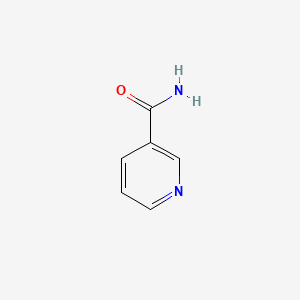
The formula, as described in the review, blends peptides with niacinamide, a tri-ceramide complex and PDRN. The piece explains PDRN as originally a derivative of salmon sperm, and says it improves surface renewal and skin barrier repair. Byoma's marketing hook is what it calls the GHK-Cu Longevity Matrix, which the review glosses as a collection of wrinkle-targeting peptides meant to plump and soften.
The percentages and what sits behind them
The review reports that the serum went through clinical trials with volunteers, and cites two results: 96% of users felt they achieved a more strengthened skin barrier after one use, and 85% of testers found a visible reduction in the depth of wrinkles in two weeks. Both figures originate with the brand's testing, and neither arrives with a number of participants, a trial length beyond two weeks, a control group, or a publication.
That matters more for the first figure than the second. "Felt they achieved a more strengthened skin barrier" is a self-report about a sensation, which is a reasonable thing to measure in a consumer panel and a weak thing to present as a headline statistic without saying how many people were asked.
What the reviewer actually reports
The reported experience is texture first: a lightweight, almost water-like gel that absorbs in seconds, layers under moisturizer and SPF without pilling, and does not break down makeup. Over three weeks of consistent use the writer says her skin looked brighter, more hydrated and healthier, and that she has been reaching for full-coverage concealer less often.
The review also positions the serum as an option for sensitive skin against retinols and retinals, which it notes are known to be irritating. That is a positioning argument, not a comparative trial, and the piece does not claim otherwise.
Bottom line
At £21.99, the price is the genuinely interesting part of this launch: gold-standard ingredient lists have historically not come cheap. What remains unsettled is everything the percentages imply and do not state, starting with how many volunteers there were.
Comments (0)
Discussion happens on Reddit.
Go to r/PeptideNewsroomQuestions and corrections go to r/PeptideNewsroom.