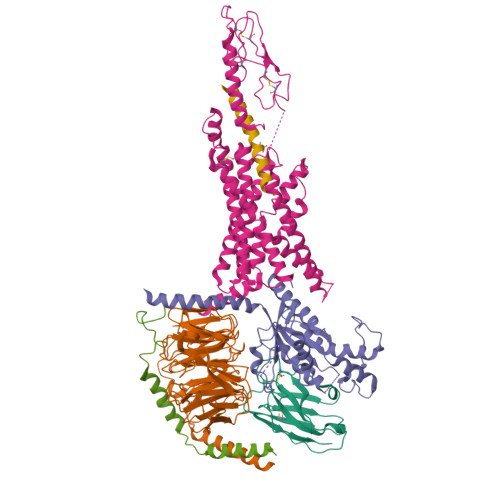
Tirzepatide is a dual GIP and GLP-1 receptor agonist sold as Mounjaro and Zepbound, used in type 2 diabetes and weight management. It is now one of the better documented peptide-based drugs in circulation, which makes it a useful case for separating what has actually been measured from what gets claimed.
Cardiovascular events in a head-to-head trial
On August 28, Eli Lilly announced that the FDA approved Mounjaro to help reduce cardiovascular risk in people with type 2 diabetes who are at high risk of cardiovascular events. The approval was based on SURPASS-CVOT, described as the first cardiovascular outcomes trial to compare two GLP-1 medications head-to-head rather than against a placebo.
The size of the difference
Major cardiovascular events occurred in 12.2% of participants taking Mounjaro compared with 13.1% of those taking Trulicity (dulaglutide), an 8% lower relative risk, Healthline reported. Mounjaro was found to be noninferior to Trulicity, a drug with an established cardiovascular benefit, in a trial of more than 13,000 participants across 30 countries with a median follow-up of four years.
The mechanism clinicians describe
Randy Gould, DO, a cardiologist not involved in the trial, told Healthline that the drug lowers blood sugar by increasing metabolic processing and reducing fat accumulation in the liver, signaling the pancreas to release insulin after eating and slowing digestion. He said those dual hormonal actions reduce systemic inflammation and endothelial dysfunction, which helps stabilize arterial plaques.
Peptides beyond the clinic
Deccan Herald reported that the cancellation of a peptide party in Bengaluru reignited conversation about the science behind short-chain amino acids, which are produced naturally by the human body. Worth noting that a compound with a 13,000-patient outcomes trial behind it sits in a different evidence category from most of what the word peptide is currently attached to.
What Isn't Established
Mir Ali, MD, who was not involved in the trial, told Healthline that more research is needed to understand whether Mounjaro has benefits independent of weight loss and improved diabetes control. Rigved Tadwalkar, MD, also uninvolved, emphasized that the population studied was very high risk, people with type 2 diabetes and established cardiovascular disease, and said conclusions should not be extended to everyone taking tirzepatide.
Where the evidence stands
On cardiovascular outcomes, the record here is unusually solid for a peptide drug: large, long, randomized, and compared against an active drug rather than nothing. What it does not settle is who else that finding applies to, or how much of it is downstream of weight loss.
Comments (0)
Discussion happens on Reddit.
Go to r/PeptideNewsroomQuestions and corrections go to r/PeptideNewsroom.