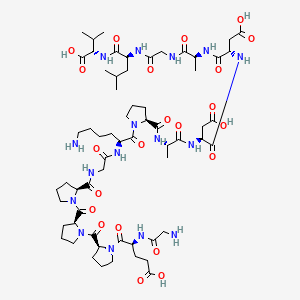
BPC-157 is a synthetic chain of 15 amino acids whose sequence is derived from a protein found in human gastric juice. It is not an FDA-approved drug, it is sold widely as a research-use-only product, and as of late 2026 it sits at the center of a federal compounding policy fight.
Tissue repair, mostly in rats
Nearly all of the BPC-157 literature comes from one research group in Zagreb, Croatia, working mostly in rats since the 1990s, according to a round-up of the compound's rise in gym and podcast culture. The same piece cites a 2025 systematic review in the HSS Journal that found the evidence for BPC-157 almost entirely preclinical, drawn from animals and cells.
That is a wide gap between promising animal papers and anything a clinician could act on, and it is the gap that word of mouth has spent a decade filling.
The first human signal, in spinal cord injury
A 2026 review of regenerative peptides in spinal cord injury describes a six-month open-label controlled pilot in subacute AIS-B thoracic injury, in which weekly subcutaneous thymosin beta-4 plus BPC-157 added to intensive rehabilitation was associated with larger motor, sensory, trunk and autonomic gains than rehabilitation alone, with only mild adverse effects. The authors describe the evidence base as preclinical-first and hypothesis-generating, and note that neither peptide is approved for the condition.
Worth noting the design: open-label, no blinding, and BPC-157 was given in combination, so nothing here isolates it.
What regulators actually did
On October 30, HHS published a draft enforcement discretion policy covering six peptides including BPC-157, a policy that does not add them to the 503A Bulks List or make them FDA-approved. The advisory vote that preceded it went against the recommendation of the FDA's own scientists, who opposed listing on safety grounds, and regulators still treat BPC-157 as an unapproved drug that cannot legally be sold as a supplement.
Banned in tested sport
WADA named BPC-157 in its 2022 Prohibited List under section S0, non-approved substances, the first time that section listed any substance by name. The US Anti-Doping Agency has already sanctioned athletes over these compounds, and a federal compounding policy does not rewrite the WADA rulebook.
What Isn't Established
There is no published randomized, placebo-controlled human trial of BPC-157 for any indication in these sources. The one clinical signal reported is a small open-label pilot of a two-peptide combination, which cannot tell you what BPC-157 did on its own. Commercial availability is moving faster than the data: AgelessRx has launched clinician-guided injectable plans covering BPC-157 following provider review, and a prescription route is not evidence of efficacy.
Where the evidence stands
BPC-157 is unusually well studied in rodents and unusually poorly studied in people, which is an awkward combination for a compound now entering a regulated supply chain. A cleaner supply chain answers the question of what is in the vial. It does not answer what the vial does.
Comments (0)
Discussion happens on Reddit.
Go to r/PeptideNewsroomQuestions and corrections go to r/PeptideNewsroom.