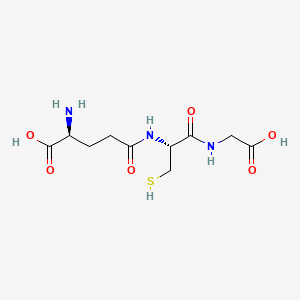
Glutathione is a sulfur-containing antioxidant the body makes on its own, and it is now sold in almost every format a supplement can take: capsules, tablets, powders, liquids, brightening serums, beauty drinks, and compounded injections. The commercial story is much further along than the published evidence, and the gap between the two is the whole subject of this piece.
The claims driving the category
An IndexBox category study forecasts a 7.2% compound annual growth rate for the global glutathione market from 2026 to 2035, with its market index reaching roughly 200 by 2035 against a 2025 baseline of 100. The analysts attribute that to beauty-from-within and longevity positioning, with Asia-Pacific the largest and fastest-growing region on the strength of skin-brightening demand in China, Japan and South Korea.
The same report describes the oral segment splitting in two: value products winning volume in mass and online channels, and premium liposomal and sublingual formats charging more on absorption claims. It lists "increasing clinical studies supporting oral glutathione efficacy" as a trend rather than a settled fact, and names regulatory clarity on structure and function claims as an open watchpoint. That is an unusually honest line for a market forecast, and it is worth sitting with.
A nationwide recall of compounded injectable glutathione
On October 1, 2026, the FDA posted a voluntary nationwide recall from Greenwich Rx, a 503A compounding pharmacy in Tomball, Texas, covering specific lots of compounded glutathione 200 mg/mL in 10 mL multidose vials intended for subcutaneous injection, distributed to patients nationwide between June 26 and September 21, 2026.
The stated reason is potential elevated endotoxin levels. The company's risk statement says injectable products with elevated endotoxin could cause fevers, hypotension, inflammatory reactions, anaphylactic shock and death, and reports two patients who received emergency department care after intravenous administration of a glutathione product that was not formulated for IV use. The notice tells customers with affected lots to stop using the product and follow the disposal instructions provided.
What Isn't Established
Neither source presents a clinical trial. The FDA notice describes glutathione as a naturally occurring antioxidant that helps protect cells from oxidative stress, which is cell biology, not a demonstrated outcome in people. No study is cited anywhere here for skin brightening, detoxification, liver support or anti-aging, the four claims the category is actually sold on. The market report's own framing concedes that claims regulation is unresolved and that clinical backing is still accumulating.
Where the evidence stands
What exists today is a fast-growing consumer category, a set of marketing claims that outrun their citations, and a federal recall showing what goes wrong at the injectable end of it. The research base that would justify the forecast has not been put on the table.
Comments (0)
Discussion happens on Reddit.
Go to r/PeptideNewsroomQuestions and corrections go to r/PeptideNewsroom.