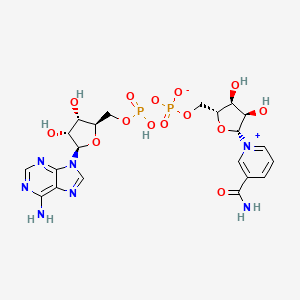
NAD+, short for nicotinamide adenine dinucleotide, is a coenzyme present in effectively every cell in the body. It has become one of the most heavily marketed names in longevity, sold as IV drips, compounded injections and now topical creams, which makes it worth separating what has actually been studied from what is being advertised.
What the coenzyme does
A consumer explainer published by Vice describes NAD+ as a coenzyme that helps the body convert food into energy and that is also involved in DNA repair. That is basic cell biology rather than a finding about supplementation, and the distinction gets blurred constantly in marketing copy.
The age-related decline question
The same piece notes that some research suggests NAD+ levels decrease with age, which is why the compound became a longevity target in the first place. It also says the research in humans is still mixed, and that not everyone experiences the same decline.
A body cream study, run by the seller
Renue By Science announced a four-week consumer perception study of a body cream built around a liposomal complex of NAD+, NMN, NR and methylene blue. Forty women aged 30 to 65 applied the cream once daily, 38 completed, and the company says 95% of participants reported smoother skin after four weeks.
The company describes the work as a virtual, single-arm consumer perception study whose results reflect participants' self-reported perceptions. That is a survey of how users felt, not a measurement of skin, and there was no control group to compare it against.
Injections and the regulatory gap
Vice reports that compounded NAD+ injections are not FDA-approved, and that the FDA has raised safety concerns about certain injectable NAD+ preparations. Clinics charge several hundred dollars per visit, and telehealth companies have moved in underneath that price, which tells you more about the market than about the biology.
What Isn't Established
Vice states plainly that there is not enough human evidence to say NAD+ injections deliver more energy, make someone feel younger, or slow aging. The cream study is self-reported, single-arm, four weeks long, and was commissioned by the company selling the product.
Where the evidence stands
The cell biology is settled, the age-related decline is suggested but inconsistent in humans, and the supplementation question is largely unanswered. The commercial infrastructure around NAD+ is considerably more developed than the published human data supporting it.
Comments (0)
Discussion happens on Reddit.
Go to r/PeptideNewsroomQuestions and corrections go to r/PeptideNewsroom.